I Had Pages of Demographics
Age ranges. Household income. Obesity statistics by province.
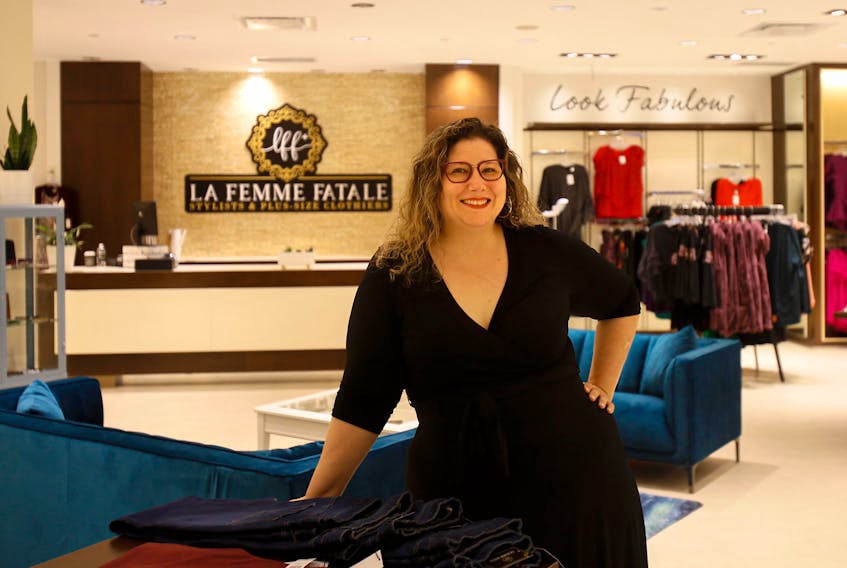
I'd dug deep into the research because that's where I shine — I'm a scientist at heart, I trust the data. By the time I opened Incandescent I knew the census numbers for plus-size women in Halifax and all of Atlantic Canada. I knew the household income brackets in my trade area. I knew the market size. I knew their average spend on clothing per year.
What I didn't know was my customer.
There's a difference. A significant one.
Demographics tell you who someone is on paper. They tell you her age and her income and where she lives. They tell you she exists and approximately how many of her there are.
They don't tell you what she's actually struggling with. What she's tried that hasn't worked. What she says to herself in the parking lot before she walks into a store. What she's really buying when she hands you her credit card.
That's the difference between knowing your demographic and knowing your customer. And until you know your customer — really know her — your content will always feel like it's talking at people instead of to them.
The Two Women I Was Actually Serving
I thought I had one customer. Plus-size women in Halifax who needed clothes.
I had at least two. And they needed completely different things from me.
The first woman was in her forties. She had a career she was proud of, a full life, people who depended on her. And somewhere in the years of building that life, her body had changed — through perimenopause, through stress, through the simple reality of time — and she no longer knew how to dress it.
She wasn't broke. She was lost.
She'd walk into regular boutiques and leave empty-handed and defeated. Not because the clothes weren't beautiful, but because nothing came in her size, or what did come in her size was designed like an afterthought. Shapeless, joyless, nothing like what she saw on the mannequins in the window.
Her pain point wasn't "I need clothes." It was "I don't recognize myself anymore and I need someone to help me feel like me again."
The second woman was younger — late twenties, early thirties. She'd grown up being told her body was the problem. She'd spent her whole life in fast fashion because that was what came in her size and she'd never been shown anything different. She didn't know what good fit felt like. She'd never had a stylist look at her and say "this is beautiful on you" and mean it.
Her pain point wasn't "I want better clothes." Her pain point was "I've never been allowed to care about how I dress and I don't even know where to start."
Two completely different women. Two completely different entry points. Two completely different conversations I needed to have with them.
But here's what they shared: they were both buying confidence. They were both buying the feeling of walking into a room and knowing they looked good. They were both buying relief — from years of settling, of making do, of telling themselves it didn't matter when it did.
And that's exactly why I was talking to them. Because I could solve that. Because I'd lived it. Because I'd given myself the parking lot pep talk — that little speech you deliver to yourself before walking into a store, bracing for the moment you realize nothing comes in your size — more times than I could count.
Nobody else in Halifax was speaking directly to those pain points. We were uniquely positioned to fix it.
That positioning didn't come from my demographics pages. It came from listening. From fitting room conversations, and Daily Try-On DMs, and the woman who opened the dressing room door with tears on her face and said "I never knew I could look so beautiful."
That's when I understood what I was actually selling.
What a Real Customer Profile Looks Like
Most solopreneurs stop at demographics. Here's the full picture you actually need — what I call the Five-Layer Customer Profile.
Business plans give you Layer 1 and call it done. A real customer strategy goes all the way through. Here's what each layer tells you — and what it costs you when you skip it.
The Demographic Profile
This is the starting point. Not the destination. Age, location, occupation, income, family status, education. The census data. The market research.
It tells you she exists. It doesn't tell you anything about how to reach her.
The Psychographic Profile
This is where it gets interesting. What does she value? What motivates her? What does she believe about herself and the world? What kind of life is she trying to build?
My customer valued quality over quantity. She was tired of fast fashion that fell apart. She was tired of only being offered low quality fabrics and way too much polyester. She wanted pieces that lasted, that meant something, that felt like a choice rather than a compromise.
She was motivated by wanting to feel seen — not by trends, not by what was available in her size, but by someone who understood her body and her life and could help her dress for both.
The Behavioral Profile
How does she consume content? Where does she spend her time online? How does she make purchasing decisions? What does she do before she buys?
My customers watched the Daily Try-Ons every single day. They came into the store knowing what they wanted to try on because they'd seen it on a real body talking honestly about how it fit. They didn't impulse buy. They trusted first.
That behavioral insight changed everything about how I created content. I stopped trying to make sale posts work and started investing in the education content that actually moved people.
The Pain Points
Not what you think they need. What actually keeps them up at night. What they've tried that hasn't worked. What they're afraid of. What they've given up on.
My customers' pain points weren't about clothing. They were about invisibility. About walking into spaces and feeling like their size made them an afterthought. About years of being told — subtly and not so subtly — that style wasn't for them.
When I started speaking to those pain points instead of to "plus-size fashion," everything changed.
Here's the formula that helped me find the real one:
Her real pain point isn't [surface problem]. It's [deeper fear or frustration she hasn't said out loud yet].
For my customers: Her real pain point isn't "I need clothes." It's "I don't know how to dress this body and I'm tired of feeling invisible."
Fill that in for your customer. If the second half of that sentence doesn't make you feel something — if it doesn't feel urgent and specific and a little raw — you haven't gone deep enough yet.
The Transformation
What does her life look like after she works with you? Not the features you provide. The actual change in how she feels, what she can do, who she is on the other side of your work.
My customers didn't leave with clothes. They left knowing how to dress their body. They left with a framework for getting dressed in the morning that didn't involve anxiety. They left feeling seen.
That transformation — not the clothing — was what made them come back every season and bring their friends.
Why You're Talking to Her — And Why That Matters
Here's the question most brand-building frameworks skip entirely: not just who your customer is, but why you specifically are the right person to serve her.
This isn't about credentials. It's about connection.
I was talking to plus-size women in Halifax because I was one. Because I'd lived the parking lot pep talk. Because I'd cried in a dressing room over nothing fitting. Because I understood from the inside what it meant to love fashion and feel locked out of it.
That's not a marketing angle. That's a genuine reason why my voice, my perspective, and my specific approach was the right fit for those specific women.
When you know WHY you're talking to your customer — not just who she is — your content stops feeling like marketing. It starts feeling like testimony. Like you reached through the screen and spoke directly to the one person who needed to hear it.
That's when people follow you. Save your posts. Tell their friends.
Ask yourself honestly: why are YOU the right person to solve this specific problem for this specific person? What do you know that someone else doesn't? What have you lived that gives you insight no course or certification could provide?
The answer to that question is the heart of your content strategy.
What a Sold-Out Skirt Taught Me About Audience
I need to tell you about a moment that taught me the most important audience lesson of my business.
Alicia MccCarvel is one of the most genuinely beautiful humans I've ever met. A body positivity influencer, a fierce and loud cheerleader for women and small businesses, someone who showed up for Incandescent with her whole heart. When she mentioned us to her audience she meant every word of it.
Her followers came. 10,000 website visitors in a single day.
We made maybe $200.
And I want to be really clear — that is not a reflection of Alicia. Her support was real and generous and came from pure love for what we were building. But every single one of those 10,000 visitors wanted the skirt she was wearing in the video. The yellow, tiered, fine animal print skirt that was really something special. The one that had been sold out for months. We only ever carried six pieces of any item and my own loyal audience had already bought it up.
I do not blame them for a single second. That skirt was really something special.
Alicia's audience followed her for her energy, her humor, her body positivity content. They weren't following her because they were looking for a size-inclusive boutique in Halifax. When she wore a skirt they wanted that specific skirt. Not a relationship with us.
Different pain points. Different purchase intent. Different moment in their journey.
Even the most powerful advocacy in the world can't override audience mismatch.
That's not a people lesson. That's an audience lesson. Know your customer so specifically — her pain point, her purchase intent, her moment in the journey — that when the right people find you, whether through you or through someone who loves you, they immediately recognize that you are exactly what they've been looking for.
Because when that's true, 300 visitors converts better than 10,000 every single time.
Go Talk to Her
Here's the thing I did wrong for longer than I should have: I assumed I knew my customer.
I knew her demographics. I thought that was the same thing.
It wasn't until I started actually listening — in the fitting rooms, in the Daily Try-On DMs, in the comments where women told their own stories — that I understood what we were actually building and for whom.
Your assumptions about your customer are probably wrong. Or at least incomplete.
Go talk to her. Not a survey. Not a focus group. A real conversation with the people you most want to serve. Ask them what they're struggling with. Ask them what they've tried that hasn't worked. Ask them what they wish existed that doesn't.
Then listen. Actually listen. Don't defend your current offer or explain why your product solves their problem. Just listen.
What they tell you will be more valuable than any amount of demographic research. It will change how you write your captions, structure your offers, and show up in every piece of content you create.
I know this because the Daily Try-Ons weren't a strategy I invented. They were a response to what my customers told me they needed — a real person, in real clothes, talking honestly about how things actually fit on a real body.
They told me. I listened. And it changed everything.
Are You Talking To Your Customer or At Her?
Here's your honest check-in for Foundation 2:
Demographics: Do you know the basic profile of your ideal customer — her age, location, income, life stage?
Psychographics: Do you know what she values, what motivates her, what she believes about herself and the world?
Behavioral Profile: Do you know how she consumes content, how she makes decisions, and what she does before she buys?
Pain Points: Can you name her real pain point — not the surface problem, the actual thing that keeps her up at night — in one sentence without hesitating?
Transformation: Can you describe specifically what changes for her after she works with you — not the features you provide, the actual shift in how she feels and what she can do?
The Why: Can you articulate why YOU specifically are the right person to solve this problem for this person?
If you hesitated on pain points, transformation, or the why — that's your starting point. Those are the three things that turn demographics into a customer you actually know.
What This Means For You
If you're reading this thinking "I know my demographic but I'm not sure I really know my customer" — you're not behind. You're at the exact right moment to do this work properly.
Lesson 1: Demographics tell you she exists. Pain points tell you how to reach her. You cannot write content that converts until you know what she's actually struggling with. Not what you think she's struggling with. What she tells you she's struggling with.
Lesson 2: One demographic can contain multiple distinct customers. Plus-size women in Halifax was one demographic. The woman who felt invisible and the woman who felt lost were two completely different customers who needed two completely different conversations. Know the difference.
Lesson 3: Your "why" is part of your audience strategy. Why you specifically are the right person to serve this customer isn't just a nice story. It's a content strategy. It's the reason your voice resonates where someone else's doesn't. Name it and use it.
Lesson 4: Audience mismatch is invisible until it costs you. 10,000 visitors and $200 in sales looks like a technical problem. It's an audience problem. Know not just who your customer is but what moment she's in and what purchase intent she has when she finds you.
Lesson 5: Your assumptions are probably wrong. Go check them. The most important audience research you'll ever do isn't demographic. It's conversational. Talk to the people you most want to serve. Listen to what they actually say. Let it change you.