I'm Almost Embarrassed to Admit This Now
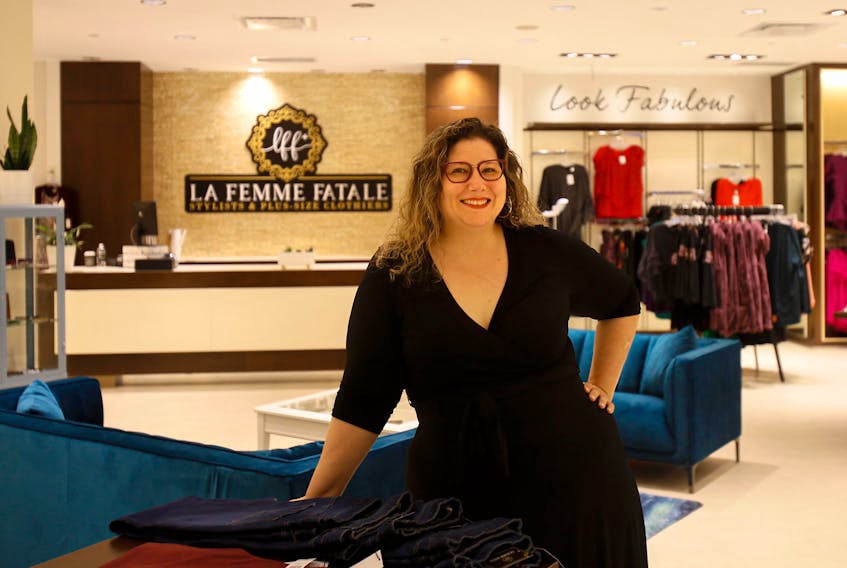
When we launched the store I didn't know what an email flow was. I didn't know how to record a video without looking awkward. (Seriously. Every time I hit record, I'd freeze up like a deer in headlights.) And I definitely didn't know I was supposed to be a social media influencer on top of everything else.
Maybe I could hire someone to be our influencer, I thought. The women who came to interview had, like, 200 followers. The ones who actually had big followings? They wanted two thousand dollars. Per post. Yeah. That was... not happening.
So I figured I'd just post. Post cute photos of the clothes. Run a contest. Give away a $50 gift card if people share our post. Do a sale. People would see it, get excited, and come in.
That's what marketing is, right? Show people what you have and they show up.
Ha. Right.
The 5 Lies About Marketing That Almost Broke My Business
Here's what nobody tells you when you start a business. Most of what you think you know about marketing? Wrong. Just... wrong. Not because you are not smart (trust me you are) or because you don't work hard enough (I already know you do or you wouldn't be here right now). Not because you didn't do your research or spend endless hours going down rabbit holes look for solutions to your marketing problems. But because most advice is written for businesses with teams. With marketing departments. With people who can focus on strategy while someone else does the work.
That's not us. We're doing it all by ourselves or with super small teams with us being the expert at the helm. Which means when we get it wrong? There's no marketing department to fix it. No team to pivot the strategy. Just us, sitting there at midnight, trying to figure out where everything went sideways.
And that's exactly why believing the wrong advice is both unhelpful and dangerous. When you're the expert, the strategist, AND the person doing the work, every mistake costs you three times over. You've wasted time, wasted money, and now are faced with the crushing doubt that maybe you're just not cut out for this.
These are the five lies I believed when I opened my boutique. Lies that cost me time, money, and way too much stress. (And some sleepless nights, if I'm being honest.)
First lie: Marketing means posting pretty pictures.
Second lie: Posting when you feel like (or posting three times in one day, then nothing for a week) is fine.
Third lie: Contests and giveaways will bring you real customers.
Fourth lie: Professional photos and influencers aren't always worth the investment.
Fifth lie: Going viral will grow my business.
Spoiler alert: None of these are true.
The $800 Lesson in What NOT to Do
So I did what desperate business owners do when they're out of ideas: I tried to buy my way out of the problem.
If my posts weren't working, maybe someone else's would. Someone who already had the audience I was trying to build. Someone who knew how to make content that people actually engaged with.
So we found a plus-size influencer. She had 20,000 followers. Real engagement. Women who looked like our customers were commenting on her posts. This felt like a win.
We paid her $800. Plus we gave her $300 worth of clothing. That was a LOT of money for us. We were just starting out. But we thought this is it. This is how you do marketing. You hire someone with an audience. They introduce you to their people.
She posted the haul on YouTube. Not Instagram, where all her followers were. YouTube. Where she had way fewer people watching. And in the video? She loved the clothing. She raved about the quality. She showed how everything fit. And then she said it was overpriced and you could get the same items somewhere else for half the price.
We were crushed.
An $1100 investment for a video that told people our stuff was too expensive. Posted on a platform where her audience wasn't even looking at. We sat there thinking, should we ever hire another influencer again? Was this even worth it?
That's when we knew. We were going to have to figure this out ourselves. We couldn't afford a social media manager. And even if we could, I didn't know what we actually needed. I didn't know we needed someone who could do BOTH creating content AND managing it. I didn't even know those were two different things.
(That's a service I now offer at Downey & Co, by the way. Because I learned the hard way that you need both. And most social media managers only do one or the other.)
The Jobs Nobody Told Me About
Here's what I thought I was signing up for when I opened a boutique.
I thought my job was to pick great clothes. Create a beautiful space. Give excellent customer service. Maybe post some photos of new arrivals.
Here's what my job actually was:
Content creator. Video producer (this was the hardest part to learn). Copywriter. Email marketer. Social media strategist. Influencer, apparently. Graphic designer. Community manager. Digital marketing analyst, figuring out what posts worked and why. Trend forecaster, but not just for fashion trends. For PLATFORM trends. Algorithm whisperer who somehow needed to understand how Instagram, TikTok, and Facebook each wanted different things.
And I had to figure all of this out myself while running an actual store..
I didn't even know what questions to ask. Or who to ask them to, honestly. But what I did not was the I had to keep treading water or I was going to drown.
Learning It All Myself (During a Pandemic)
I bought courses. Lots of courses. Some were good. Most weren't.
One marketing expert claimed to have "decades of boutique management experience" and sold a course on "How to Sell Your Dead Stock in 30 Days." I paid $297, desperate for answers.
Her big strategy? Run a clearance sale and post about it on social media.
That's it. That was the course. Things I was already doing. Zero insight on how to actually move clearance inventory fast without taking a massive loss. Zero strategy beyond "discount it and hope."
I felt like a moron for buying it.
The Nova Scotia government offered free marketing courses during the pandemic. I signed up for one, still hopeful. Within two weeks, I realized I was already ahead of what they were teaching. I hung out for 6 of the 8 weeks before dropping the course. My tipping point was his class on how to make a social media post on Facebook. I wasn't just ahead, I was light years ahead of this course.
So I started teaching myself.
I spent endless hours scrolling through social media. I watched what videos went viral. I'd try to copy them and apply them to my business. (Spoiler: This was a mistake. I learned later that going viral didn't increase my sales.)
I taught myself video editing from YouTube and a lot of trial and error. This was probably the hardest thing to learn. The shooting. The editing. The transitions. The trending audio. The captions. The hooks. All of it.
And I was trying to figure out what people actually wanted.
Because here's what they definitely DIDN'T want. Pretty pictures of models who claimed to be plus-size but weren't even plus-sized.
Those perfect, professional photos I thought would make us look good? People hated them. Because the models were airbrushed and thin. Not relatable. Not REAL.
What I was learning (slowly, painfully) was that women didn't want to see perfection.
They wanted to see themselves.
The Breakthrough: When Being Real Actually Worked
Everything came together when we started doing the Daily Try-Ons.
Not dancing in the clothes. Not following trends. Not trying to go viral. Just putting the clothes on. And talking about them.
We'd talk about why we loved this piece. How it felt on. How to style it three different ways. What shoes worked with it. Where you'd actually wear it. Why this fabric was better than that one. How it fit different body types.
It was raw. It was real. We were in the store, in the dressing room. Trying things on and talking to the camera like we were talking to a friend.
And it connected with people.
Here's why is was different and struck such a cord.
In our Instagram Stories, we were having real conversations. People would reply. Ask questions. Tell us about their own bodies and styling struggles. We'd respond to every single message. It was real connection, just at a bigger scale.
In our Reels and feed posts, we were creating content that helped NEW people find us. Relatable posts. Fashion tips. Body positivity messages. Things that showed up in the algorithm and made people think "Oh, this is for ME."
And then I finally understood. Content creation wasn't just "a thing I had to do." It WAS my full-time job. Because content is how people find me. It's where they get interested in learning more. It's where they decide if they trust me. It's where they move toward buying from me.
My Biggest Mistake (Even After Things Started Working)
Here's the thing though. Even after I figured out that Daily Try-Ons worked, I made a huge mistake.
I focused ONLY on Stories.
Because Stories were working so well. People loved them. We had great engagement. Sales were coming from people who watched our Daily Try-Ons.
So I put all my energy there.
The problem? I wasn't creating enough content for new people to find us anymore. No more Reels showing new people we existed. No more feed posts attracting discovery. Just Stories for the people who already followed us.
And you know what happened?
Our growth on social media stopped completely. No new customers were finding us. I was only talking to people who already knew us. I'd lost the discovery part.
It was a big problem.
Because here's what I learned. You can't just do ONE part really well. You need ALL of it working together.
•You need content that helps people discover you (new followers).
•You need content that builds relationships with them (trust).
•You need content that moves them toward buying (sales).
Miss one part? Your system has a hole in it. And people fall through.
What I Wish I'd Known from Day One
Let me save you the four years it took me to figure this out. Here's what I eventually learned. The framework I wish someone had given me three days before I opened my doors
.
Part 1: Content Creation IS a Full-Time Job
Not a side task. Not something you do "when you have time." Not something you can just wing or post when you feel like it.
It's THE job.
Why? Because content is how people find you. It's where people get interested in learning more. It's where they decide if they trust you. It's where they move toward buying from you. And if you're not creating content regularly, you're invisible. It doesn't matter how good your product is. It doesn't matter how beautiful your store is. It doesn't matter how great your customer service is.
If people can't find you, none of that matters.
Part 2: Different Content Does Different Jobs
Not all content does the same thing. Different content moves people through different stages of knowing you, liking you, and trusting you.
Here's how it actually works.
TOP OF SYSTEM: DISCOVERY
Content Types: Reels, TikToks, viral-style content, trends, relatable hooks
Purpose: "Hey! We exist! You might relate to us!"
Platform: Feed posts, Reels, TikTok, YouTube Shorts
What It Does: Gets people to discover you who don't know you exist yet
Metrics: Reach, new followers, shares, saves
Example from My Boutique:
• "POV: You're a size 16 shopping at a regular store vs. shopping at Incandescent"
• "3 styling tricks for plus-size bodies that actually work"
• "Why plus-size fashion is finally having its moment"
These posts reached NEW people. People who'd never heard of us. They'd watch, think "this is for me," and hit follow.
MIDDLE OF SYSTEM: RELATIONSHIP
Content Types: Stories, behind-the-scenes, education, Q&As, Daily Try-Ons
Purpose: "Let me teach you / Let's connect / I get you"
Platform: Instagram Stories, Facebook Stories, DMs, email
What It Does: Builds trust and relationship with people who already follow you
Metrics: Story replies, DM conversations, engagement rate, email open rates
Example from My Boutique:
• Daily Try-Ons showing how clothes actually fit real bodies
• Behind-the-scenes of receiving new shipments
• Q&A sessions about styling, fabric, body confidence
• Responding to every single DM and Story reply
This is where the magic happened. This is where followers became friends. Where trust was built. Where they started thinking "I want to shop here."
BOTTOM OF SYSTEM: CONVERSION
Content Types: Product education, customer testimonials, clear calls-to-action
Purpose: "Here's how I can help you / Here's what worked for others"
Platform: Stories, email, website, product pages
What It Does: Moves people from "I like them" to "I'm buying"
Metrics: Click-through rates, purchases, bookings, revenue
Example from My Boutique:
• "Here's how this dress fits three different body types"
• Customer testimonials: "I wore this to my daughter's wedding and felt amazing"
• Limited drops: "New arrivals just landed, here's what sold out last time"
• Clear CTAs: "Shop the collection," "DM me your size," "Link in bio"
This is where followers became customers.
THE COMPLETE SYSTEM:
You need ALL THREE stages working together.
Top of System brings new people in (discovery)
↓
Middle of System builds relationships and trust (connection)
↓
Bottom of System converts them into customers (purchase)
My Fatal Flaw: I got really good at Middle of System (Stories, relationships) but stopped creating Top of System content (discovery). So no new people were finding us.
The Fix: I had to get back to creating Reels and feed posts that attracted NEW followers while ALSO maintaining the Stories that converted them.
Part 3: Why Hiring "Someone" Doesn't Solve It
Remember that $800 influencer disaster? Here's what I learned from it:
Hiring an influencer ≠ content strategy
Hiring a "social media manager" ≠ content creation + management
Most social media managers will:
• Schedule your posts
• Reply to comments
• Manage your accounts
But they won't:
• Create your content from scratch
• Film and edit videos
• Develop your content strategy
• Understand your brand voice
• Know your products intimately enough to educate about them
That's content CREATION. And it's a completely different skill set than content MANAGEMENT.
Here's what you actually need:
You need to understand the fundamentals yourself before you can hire someone else to execute.
Not become an expert. Just understand enough to evaluate if they're doing good work.
Can you tell the difference between discovery content and conversion content? Do you know what the algorithm rewards? Can you spot when someone's "strategy" is just posting pretty pictures with no system behind it?
If you can't answer those questions, you can't evaluate if the person you hire is actually strategic or just winging it.
That's why you'll waste money on people who "boost engagement" without moving your business forward.
Learn enough to hire smart. Then delegate the execution.
This is exactly why I now offer Content Creation + Management as a service at Downey & Co. Because I learned the hard way that solopreneurs need BOTH, and most agencies only offer one or the other.
The Missing Piece: What Do You Actually Post?
Okay. So now you understand the 3-stage content system.
You know you need Discovery content (brings new people in). You know you need Relationship content (builds trust). You know you need Conversion content (moves people toward purchase).
But here's the question that stopped me dead in my tracks for months:
What do I actually POST?
Like, specifically. What topics? What themes? How do I come up with ideas consistently without that "what should I post today?" panic every single time I sit down to create? I'd open Instagram. Stare at the screen. Think "okay, I need to post something." And then... nothing. Blank. What do people want to see? What should I talk about? Is this interesting? Does this matter?
It was exhausting.
And then I learned about content pillars.
What Content Pillars Actually Are
Content pillars are the 5-7 core themes that guide everything you create.
Think of them as buckets. Categories. The topics you consistently talk about. When you sit down to create content, you don't start from scratch. You pick a pillar. Then you brainstorm ideas within that pillar. Then you choose what feels most relevant right now.
Without content pillars:
• You stare at a blank screen wondering "what should I post today?"
• Your content feels random and disconnected
• People don't know what to expect from you
• You post when inspired, then disappear for weeks
With content pillars:
• You always know what to post (just pick a pillar)
• Your content feels cohesive and intentional
• People know what they'll get from following you
• You can plan weeks or months ahead
Content pillars eliminate the paralysis.
The 5 W's Content Pillar Framework
When I started Downey & Co., I knew I needed a content system—not just a list of topics to post about.
I'd seen what worked at Incandescent (my 7 content types that I didn't realize were actually 5 strategic pillars). I'd also seen what didn't work when businesses just posted randomly hoping something would stick.
So I created The 5 W's Content Pillar Framework.
Here's what makes this different from just listing "topics I could post about." Each W serves a specific business function. It's strategic content that moves people through your customer journey, not just "things to talk about." Each W maps to a stage. Discovery content brings new people in. Relationship content builds trust. Conversion content moves people to work with you. And here's the critical part: only ONE W is purely promotional. The other four build the relationship that makes promotions actually work. This is a system, not a topic list.
Here are my five content pillars:
1. Wisdom - Educational content, frameworks, strategy, lessons
(Serves: Discovery + Relationship stages)
2. Wins - Client results, success stories, proof that strategies work
(Serves: Conversion stage)
3. Wit - Personality, hot takes, relatable struggles, behind-the-scenes
(Serves: Discovery + Relationship stages)
4. Workings - How things actually work, my process, transparency
(Serves: Relationship stage)
5. What - Services, offerings, clear CTAs about how we work together
(Serves: Conversion stage)
When I sit down to write a blog post or create a Reel, I pick one of these five pillars. That's it. No staring at a blank screen. Sometimes I have the post idea first and figure out which pillar it fits into. Either way works. The key is making sure I'm not posting from the same pillar over and over. I look for the gaps. If I realize I haven't posted any Wins content in two weeks, I know what to create next.
This blog post? It's Wisdom. The story about the $800 influencer disaster? That's Wit. When I share a client's results? That's Wins. When I explain my services? That's What.
Good content often combines multiple pillars. This post is primarily Wisdom (teaching you the framework), but it also includes Wit (my stories), Workings (how I actually use the system), and What (my services at the end). That's just good storytelling.
How I Went From Panic-Posting to Planning Ahead
Once I had content pillars, I could plan ahead.
No more opening Instagram at 9 AM thinking "crap, what do I post today?" No more scrolling for inspiration that never came. No more posting three times when I felt motivated, then disappearing for a week.
Instead, I had a system:
Monday: Post from the Wisdom pillar (educational Reel about content strategy)
Wednesday: Post from the Wit pillar (relatable struggle about being a solopreneur)
Friday: Post from the Wins pillar (client success story)
I wasn't scrambling. I wasn't staring at blank screens. I knew what I was posting and why.
But here's what most people get wrong about content pillars:
They think it's rigid. "I can only have 5 topics I talk about? That's limiting!"
No. The 5 W's is a framework, not a restriction.
You can have as many content types as your business needs—you just organize them under the 5 W's so you always know what category you're pulling from.
For example:
Incandescent had 7 content types because retail needed variety—fashion trends, styling tips, body positivity messaging, behind-the-scenes glimpses, customer testimonials, community engagement, and promotional posts. All organized under the 5 W's.
Downey & Co. has 9 content types—simplified guides, time-saving tips, tools and tactics, case studies, educational deep-dives, inspirational quotes, behind-the-scenes content, progress-over-perfection posts, and community spotlights. All organized under the same 5 W's.
Both businesses. Different content needs. Same underlying framework.
The 5 W's doesn't limit what you create—it gives you structure so you're never staring at a blank screen wondering what to say.
Here's the complete system:
Content pillars tell you WHAT to post.
The 3-stage system tells you WHERE it fits in your customer's journey.
Together? You never run out of ideas. And every piece of content serves a strategic purpose.
That's the difference between random posting and actual strategy.
What This Means For You
If you've read through this whole post and thought "Oh god, that's me," let me tell you something: You're not failing. You're just learning a job nobody told you was part of the package.
Let me ask you some questions:
Are you posting when you "feel inspired"?
That's not strategy. That's hope.
Do you think contests and sales posts = marketing?
That's bottom-of-system only. You're missing discovery and relationship building.
Are you creating one type of content really well but neglecting the others?
Like me with Stories? You've got a hole in your system.
Do you think you just need to hire someone to "do social media"?
What you actually need is someone who understands content creation + management + strategy. And you need to understand it well enough to hire the right person.
Are you overwhelmed by all the hats you're wearing?
Content creator. Video producer. Copywriter. Email marketer. Graphic designer. Community manager. Data analyst. Yeah. I get it because I was overwhelmed too.
Here's what I learned over four years of trial and error:
1. Content creation is a skill set you can learn. (Or hire for, once you understand it.)
2. Different content serves different purposes. Discovery vs. relationship vs. conversion. You need all three.
3. The learning curve is steep but it's climbable. I taught myself video editing during a pandemic while running a store. If I can do it, you can too.
By 2023, I finally understood what a complete digital strategy looked like.
I knew what content went where and why. I knew how to move people through the stages. I knew how to build relationships at scale while also attracting new people. I knew the difference between viral content and conversion content.
It became the foundation of everything I do now at Downey & Co.
The boutique taught me what works. The four years of trial and error gave me the framework. And now I help other solopreneurs skip the expensive lessons and build their strategy right from the start.
Because you shouldn't have to spend $800 on influencers who don't convert. You shouldn't have to teach yourself video editing at midnight. You shouldn't have to waste years figuring out what I'm teaching you right here in The Clarity Collection.
That's why I'm here.