When we announced we were closing, the sales posts went up. The emails were sent. I marked down the clothing in Shopify. The store was bustling, and the online orders were flooding in.
It was the busiest we'd ever been.
We sold off all our inventory. We took care of our customers one last time. We went out on our terms.
And that taught me something crucial: In today's world, a strong digital presence isn't just an advantage. It's essential for survival.
Not because it guarantees success. But because when things go sideways—and they will—you need infrastructure that works even when you're drowning.
If I could rewind time and start my business journey all over again, here's what I'd do differently: I would build a comprehensive digital strategy from day one instead of figuring it out by accident as I went.
Let me show you exactly what that means—and what you can learn from my mistakes.
The Day One Digital Strategy Framework
Most business owners build their digital presence backward.
They post on social media, hope for traction, then scramble to build infrastructure when it starts working (or when it stops working). They guess at what matters. They invest time in the wrong things. They realize too late that they're missing critical foundations.
Here's the right order:
PHASE 1: FOUNDATION (Month 1)
Get your legal and brand basics right before you build anything else
PHASE 2: AUDIENCE BUILDING (Months 2-4)
Create systems to collect, nurture, and grow your audience
PHASE 3: ONGOING ENGAGEMENT (Month 4+)
Show up consistently in ways that build trust and community
These three phases contain 8 specific lessons I learned the hard way. Some I figured out eventually. Some I learned too late. All of them would have made my business more resilient if I'd implemented them from day one.
Let me walk you through each phase and show you exactly what I'd do differently.
PHASE 1: FOUNDATION (Month 1)
This is the unsexy stuff. The legal protections and brand clarity that most people skip because they're excited to start selling.
I skipped some of it too. And it cost me.
Lesson 1: Do a Trademark Check Before You Register Your Business Name
Here's a mistake that cost us time, money, and momentum: we didn't do a thorough trademark check before we registered our business name.
What Happened
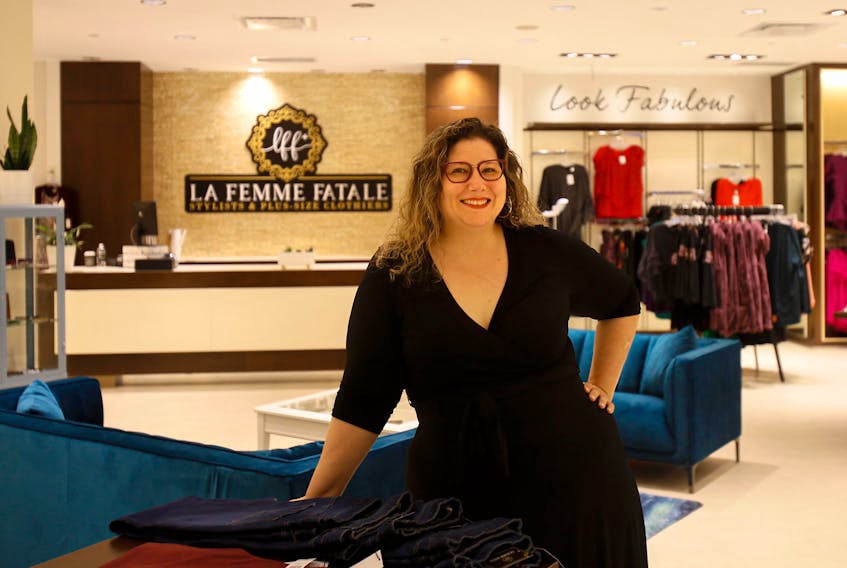
We weren't always Incandescent. We started out as La Femme Fatale Plus Size Clothiers. It was a great name. We loved it. Our customers loved it. We built brand recognition around it. And then we found out that La Femme Fatale was a clothing brand that had a trademark in Canada.
Here's the kicker - they had no website. No social media. They weren't a registered business name or operating name in Canada. But someone owned that trademark in Canada, and legally, that was enough.
We had to scramble to come up with a new name once we started becoming recognized in the clothing community.
What I Would Do Differently
If I could start over, I would have:
• Done a comprehensive trademark search in Canada (and the US if I planned to expand) before registering anything
• Hired a trademark lawyer to do a proper clearance search, not just a Google search
• Checked trademark databases (CIPO in Canada, USPTO in the US) to see if anyone owned the name or anything similar
• Registered my own trademark once I confirmed the name was clear
Why This Matters for You
Rebranding after you've already built recognition is expensive, confusing for your customers, and emotionally exhausting.
Do the trademark check first. Before you register the business. Before you design the logo. Before you print anything. Before you build any brand recognition.
It's a small investment that can save you from a massive headache later.
The Silver Lining
Honestly? I ended up loving the new name even more.
Incandescent fit us better. We helped women shine from within. And the word itself means "to emit light as a result of being heated." It can also mean "full of strong emotion; passionate." And because I used to study volcanoes and make magma in a lab, it truly was the perfect name for my clothing boutique. It connected who I was with what I was building in a way La Femme Fatale never did.
Plus, the name gave us so much creative potential. We built our entire rewards program around it: Glow Rewards for loyalty points and Radiant Referrals for customer referrals. Everything tied back to this theme of helping women shine. The branding wrote itself.
So yes, it worked out. But it was still a stressful, expensive, time-consuming process we could have avoided.
Lesson 2: Document Your Brand Story (And Use It Everywhere)
People connect with stories, not just products.
This is something I eventually figured out, but I wish I'd leaned into it from day one.
What I Would Do Differently
• Write my brand story first thing. Why I started the boutique. What I cared about. Who I was trying to help. That story would have been front and center from the beginning.
• Use it everywhere. Website about page. Email welcome sequence. In-store signage. Social media bios. Every customer touchpoint.
• Share behind-the-scenes constantly. Show the unpacking of shipments. The steaming of clothes. The styling decisions. The messy, real work of running a small business.
• Spotlight customer stories. Not just "5 stars, great store!" but real transformations. "I wore this dress to my daughter's wedding and felt beautiful for the first time in years."
• Celebrate my team. My employees were incredible. I would have introduced them, shared their stories sooner, and shown how much they cared about our customers.
Why Stories Matter
Stories humanize your brand. They connect with your audience on a deeper level. They make people feel like they're part of something, not just buying something.
And when people feel connected to your story, they become loyal customers and fierce advocates.
Your Brand Story Framework
Every brand story needs these 4 elements:
1. Origin: Why you started (the problem you saw, the gap you wanted to fill)
2. Mission: What you believe (your values, your "why")
3. People: Who you serve (your ideal customer, their transformation)
4. Difference: What makes you unique (your approach, your perspective)
Document these four things. Then weave them into everything you create.
PHASE 2: AUDIENCE BUILDING (Months 2-4)
This is where most businesses start. They open and immediately try to build an audience.
The problem? They're building on sand instead of rock. No digital strategy. No clear brand story. No UVP. Just tactics without strategy.
Don't make that mistake. Build your foundation first. Then build your audience.
Lesson 3: Prioritize Email & SMS Marketing—Start Collecting Contact Information From Day One
This is the big one. The one I wish I'd understood from the very beginning.
Here's What I Learned (Eventually)
I didn't realize I needed email marketing until we had great flows designed. Not the ones I paid someone to create—the ones I authentically wrote myself, in my own voice.
I knew they were great because we had an average 50% open rate.
Let me say that again: 50%.
And it gets better: sales from people who regularly opened their emails accounted for 30-40% of our overall revenue. Email wasn't just a nice-to-have. It was a revenue driver. Oh, and did I mention that other email marketers would come into the store and ask who we had hired to manage our system? They were shocked when I told them it was me. And more shocked when they learned I was mostly self-taught.
What I Would Do Differently
If I could start over, I would have:
• Collected emails from day one. Every customer who walked through the door. Every person who engaged with us online. Every single one.
• Built welcome sequences immediately. The first email someone gets after subscribing has the highest open rate you'll ever see. I would have nailed that from the start.
• Segmented my list early. Different customers need different messages. I would have organized my list by preferences, purchase history, and engagement level.
• Sent regular, valuable emails. Not just sales. Not just promotions. Real content that helped my customers feel confident and beautiful.
• Collected phone numbers for SMS. Text messages have even higher open rates than email. I would have used them for time-sensitive offers, new arrival alerts, and personal check-ins.
Why This Matters for You:
Your email list is the only marketing channel you truly own. Social media platforms can change their algorithms overnight. But your email list? That's yours. Forever.
Start building it today. Not tomorrow. Not when you "have time." Today.
Your Email Foundation Checklist:
☐ Email collection system in place (website popup, in-store tablet, checkout process)
☐ Welcome sequence written (3-5 emails introducing your brand)
☐ Weekly email planned (what will you send regularly?)
☐ Segmentation strategy defined (how will you group your subscribers?)
☐ SMS opt-in available (for time-sensitive communication)
If you only do ONE thing from this entire post, make it this.
Lesson 4: Get on the News—Spread the Word Faster Than Social Media Ever Could
Here's something most business owners don't think about: getting featured in local news spreads the word faster than social media because their reach is wide and people will start talking.
We did get some press coverage when we opened, and it was invaluable. A journalist interviewed me before our grand opening, and it created genuine buzz in the community. Later, we had more amazing opportunities. Suzette Bellivue did an interview for CTV on dressing for the holidays in 2023, which was incredible exposure. And we were featured on a TV show called Style East, where Solitha Shortte interviewed us about our origin story, how I saw fashion, what my inspiration was, and how I wanted to change fashion in Halifax forever.
Every piece of press coverage brought new customers through the door and reinforced our credibility in the community. But if I could do it over, I would have been more strategic about it.
What I Would Do Differently
• Pitch local news outlets early and often. Not just at launch, but for every milestone, every event, every interesting angle.
• Build relationships with local journalists. Make it easy for them to cover you by having story ideas ready.
• Create "newsworthy" moments. Host events, partner with other local businesses, support community causes—things that give journalists a reason to feature you.
• Leverage every piece of coverage. Share it everywhere. Post it on social media. Include it in emails. Put it on your website. Milk it for everything it's worth.
Why Press Coverage Matters
Press coverage gives you instant credibility. It's third-party validation that you can't buy. And it reaches people who might never see your social media posts.
Your Press Outreach Framework
1. Identify your newsworthy angles:
○ Community impact (jobs created, local partnerships)
○ Unique approach (what makes you different?)
○ Timely connection (tie to current events or trends)
○ Human interest (your story, customer transformations)
2. Build your media list:
○ Local newspapers
○ Community magazines
○ Local TV/radio stations
○ Industry publications
○ Online local news sites
3. Create your press kit:
○ High-res photos
○ One-paragraph bio
○ Company fact sheet
○ Story ideas (3-5 angles they could cover)
4. Pitch strategically:
○ Email subject: "[Timely Hook]: Local Business [Specific Angle]"
○ Keep it to 3-4 paragraphs
○ Include why their audience will care
○ Make it easy for them to say yes
Lesson 5: Host a Pre-Opening Influencers Event—Partner With Local Voices Who Already Have Your Audience's Trust
Here's a game-changer for brick-and-mortar businesses: partnering with local influencers from the get-go can build trust and credibility with your target audience in the community.
Notice I said local influencers. Not big-name celebrities charging $10 or $20K per post. Local voices. People with 1,000-5,000 followers who are genuinely engaged with their community.
What I Would Do Differently
If I could rewind time, I would have
• Hosted a pre-opening influencer event. Invited local bloggers, small influencers, community leaders, and loyal followers to preview the store before the grand opening.
• Given them an experience worth sharing. Not just a shopping discount, but a real experience. Personal styling. First look at new collections. A story they'd want to tell.
• Built relationships, not transactions. These aren't one-time partnerships. These are ongoing relationships with people who genuinely believe in what you're doing.
Why Local Influencers Matter
Their authentic endorsement drives foot traffic to your store, generates buzz online, and creates a sense of pride around your brand.
Big influencers have reach. Local influencers have trust. And for a brick-and-mortar business, trust in your community is everything.
Your Local Influencer Strategy
Step 1: Identify local influencers in your niche
• Search location tags on Instagram
• Check local Facebook groups
• Look for people your customers already follow
• Aim for 1,000-5,000 followers (micro-influencers)
Step 2: Build genuine relationships
• Follow them, engage with their content
• Comment authentically (not "check out my business!")
• Direct message with a personal invitation
• Explain why you think they'd love what you're building
Step 3: Create an experience worth sharing
• Pre-opening exclusive preview
• Personal styling session
• Behind-the-scenes tour
• Gift they'll actually use (personalized, thoughtful)
Step 4: Maintain the relationship
• Invite them to future events
• Share their content when relevant
• Support their work
• Build long-term partnerships, not one-off posts
The Little Details That Matter
Oh, and here's a pro tip: influencers love little thank-you-for-coming gifts. Think things they'll actually use. Make them personalized.
Not generic swag bags. Not random branded items they'll toss. Something thoughtful that shows you paid attention to who they are and what they care about.
These small gestures turn a one-time event into a lasting relationship.
PHASE 3: ONGOING ENGAGEMENT (Month 4+)
You've built your foundation. You've started building your audience. Now it's time to show up consistently in ways that build trust and community.
This is where most businesses burn out. They try to do everything, post everywhere, and maintain perfection. Then they quit.
Don't do that. Pick a few things you can sustain and do them well.
Lesson 6: Use Interactive Content—Polls, Quizzes, Q&As to Encourage Participation and Conversation
Interactive content gets people involved, not just watching.
What I Would Do Differently
• Run polls frequently. "Which color should we bring in next?" "What style are you most excited for this season?" Simple questions that make people feel heard.
• Host Q&A sessions. Answer styling questions. Talk about fit. Help people solve real problems in real time.
• Create quizzes. "What's your body shape and what styles work best for you?" People love learning about themselves, and it positions you as the expert.
Why This Matters
Interactive content does two things:
1. It boosts engagement. Algorithms love when people interact with your content.
2. It gives you insight into what your customers actually want. You're not guessing. You're asking. And they're telling you.
10 Poll Questions That Drive Engagement:
1. "Which color should we bring in next?"
2. "What's your biggest [industry challenge]?"
3. "Coffee or tea?" (simple, high engagement starter)
4. "What content do you want to see more of?"
5. "Which product are you most excited about?"
6. "What time of day do you prefer we go live?"
7. "A or B?" (show two options for anything)
8. "What's your [relevant preference]?"
9. "Should we do [thing] or [other thing] next?"
10. "What question do you have about [your expertise]?"
Post 2-3 polls per week. Actually USE the insights to guide your decisions. Show people you're listening.
Lesson 7: Go Live—Host Live Videos to Interact With Your Audience in Real-Time
Go live to interact with your audience in real-time, answer questions, and build excitement around your brand. This is something we did eventually with the Daily Try-Ons, and it was one of the most powerful things we did.
What I Would Do Differently
If I could start over, I would have gone live from day one. Not perfectly produced videos. Just real, in-the-moment connection with my audience.
• Show new arrivals as they come in. Unbox them live. Get people excited.
• Answer styling questions in real time. "Does this work for my body type?" "How would you style this?" Answer on the spot.
• Host virtual shopping sessions. Let people shop from home and feel like they're in the store with me.
• Build community. Going live creates a sense of "we're in this together." People show up, comment, engage, and feel like part of something.
Why Live Video Works
Live video is raw. It's real. It's unedited. And that's exactly why it works. People don't want perfection. They want connection. They want to see the human behind the business. They want to feel like they know you.
Your Live Video Framework
Weekly Live Schedule:
• Monday: New arrivals unboxing
• Wednesday: Q&A session (answer submitted questions)
• Friday: Behind-the-scenes (show the real work)
Live Video Checklist:
☐ Announce it 24 hours in advance
☐ Have 3-5 talking points ready (but don't script it)
☐ Engage with comments in real time
☐ Save and repurpose the video after
☐ Thank people for showing up
Start with once a week. Build from there. Consistency beats perfection.
Lesson 8: Tell Stories Consistently—Share Your Brand's Story, Behind-the-Scenes Glimpses, Customer Testimonials, and Team Spotlights
This one ties everything together.
You've built your foundation. You've built your audience. You're engaging consistently. Now weave stories through everything you do.
The 4 Types of Stories That Build Trust:
1. Origin Stories
○ Why you started, what you believe
○ Your values and mission
○ What drives you
2. Behind-the-Scenes
○ The unglamorous work, the challenges
○ What it actually takes
○ Real, unpolished moments
3. Customer Transformations
○ Before/after moments
○ Impact stories
○ Testimonials that show change
4. Team Spotlights
○ Who helps make it happen
○ Their stories and why they care
○ The humans behind the business
Your Storytelling Cadence: Post at least one story per week. Mix them up. Keep it real.
• Week 1: Origin/Mission story
• Week 2: Behind-the-scenes moment
• Week 3: Customer transformation
• Week 4: Team spotlight
Repeat. Adjust based on what resonates. But never stop telling stories. Because stories are what people remember. Stories are what they share. Stories are what build loyalty that survives
The Hard Truth: Would This Have Saved My Business?
I need to be honest with you about something.
My digital strategy wouldn't have saved us. Admitting is always going to be tough for me. Could have done more? Sure, but I opened at the wrong time 6 month before the pandemic had shut everything down and every day was an uphill battle.
Why couldn't I save it? The economic landscape changed. Interest rates skyrocketed. Grocery costs soared. My core customers—middle-class women—were feeling the economic pain the most. They didn't have extra dollars to spend on clothes, no matter how much they loved us. And when the did want to shop? People gravitated to the affordable online fast fashion stores.
And how do I know that I didn't just suck at my job? It wasn't just us. Eight other boutiques in women's clothing closed from January to April, before we finally did. It was a wave of closures across Halifax. The economic pressure was crushing small retail businesses one by one. And then one of Halifax's most iconic women's boutiques closed after 30 year of business. When she closed she spent a lot of time talking about how we cannot compete as small boutiques in the modern landscape with all of the economic pressures we face.
But here's what a strong digital strategy DID do:
When we closed, the digital strategy I'd built helped us sell off all our inventory.
The sales posts went up. The emails were sent. I marked down the clothing in Shopify. The store was bustling, and the online orders were flooding in.
It was the busiest we'd ever been.
A digital strategy didn't save the business. But it helped us close with dignity. It helped us take care of our customers one last time. It helped us go out on our terms.
And that matters.
Why I Do What I Do Now
The closure of Incandescent taught me a valuable lesson: in today's world, a strong digital presence isn't just an advantage. It's essential for survival.
Don't make the same mistake I did. Invest in a solid digital marketing plan from the start, and watch your business thrive.
This is why I do what I do now.
I'm a teacher at heart. I don't want you to make my mistakes. I want you to learn the lessons I had no one to teach me.
I want you to thrive. I want you to feel seen. I want you to build a business that's resilient, strategic, and set up for long-term success—not just hoping things work out.
Because hope isn't a strategy. But a solid digital plan? That is.